



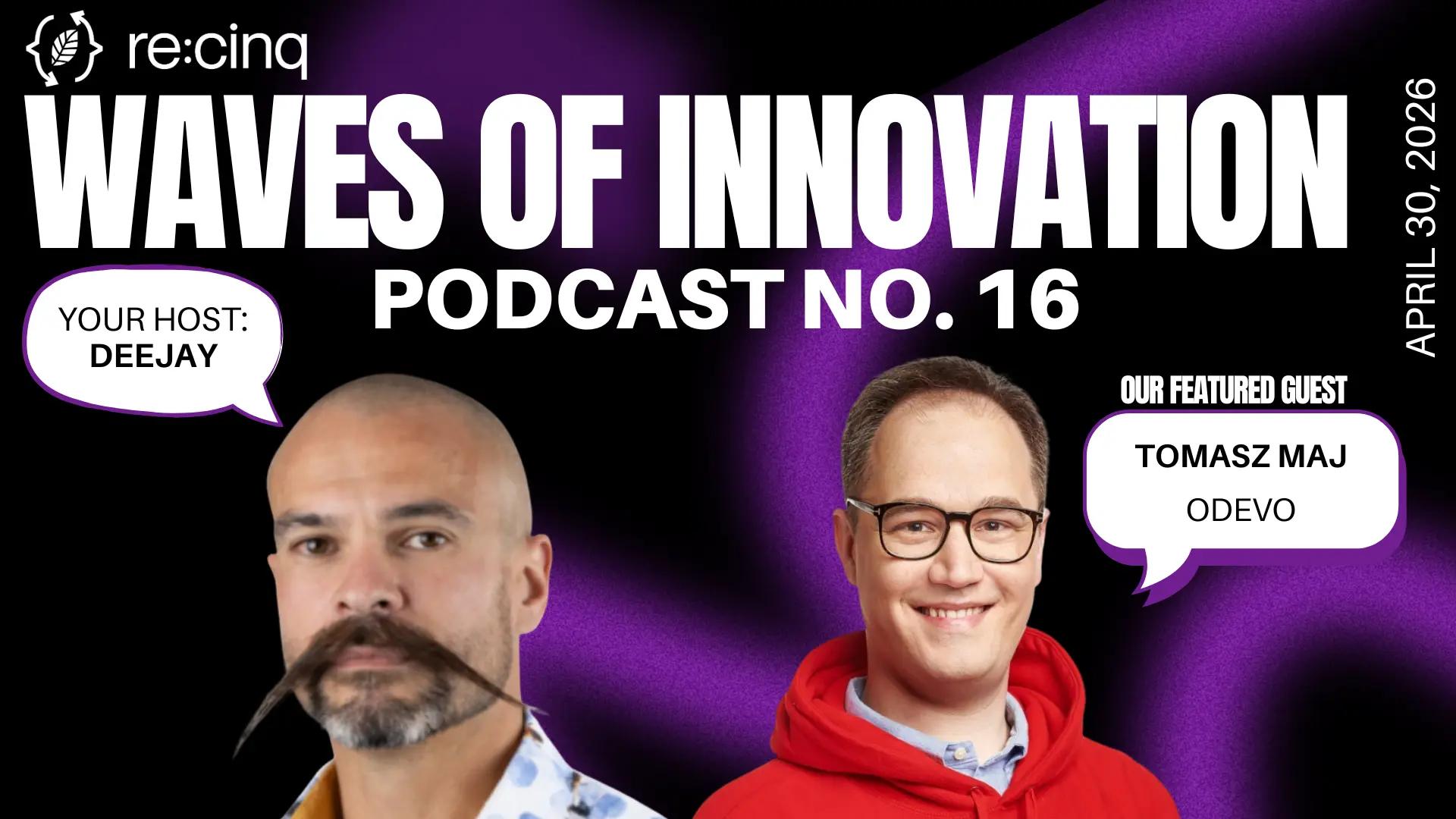
Scaling AI Enablement: How Odevo Upskilled Engineering
Tomasz Maj details the structured AI enablement journey at Odevo, exploring how guided training increased PR velocity 10x and empowered non-developer builders.
From AI-native software development to engineering leadership and organizational transformation, we explore what it takes to build the next generation of engineering organizations.

Odevo Lead Engineer Dominic Warchalowski explains how to redesign Agile processes and repository structures to deliver software 72x faster using agentic AI.

I've spent most of my working life somewhere between a terminal and a whiteboard — first as an engineer who loved shipping late at night, later as the person trying to make that sustainable for a whole team.
Today I run hackers&wizards, a small studio that helps product teams build software they can still understand a year later. A lot of what I know came from conversations over coffee, so this podcast is really just those conversations, recorded.
“Good software is mostly good conversations, repeated often enough.”
LinkedIn
Dominic Warchalowski · Lead Engineer, Odevo
Odevo Lead Engineer Dominic Warchalowski explains how to redesign Agile processes and repository structures to deliver software 72x faster using agentic AI.

Tomasz Maj · Head of Product Operations, Odevo
Tomasz Maj details the structured AI enablement journey at Odevo, exploring how guided training increased PR velocity 10x and empowered non-developer builders.

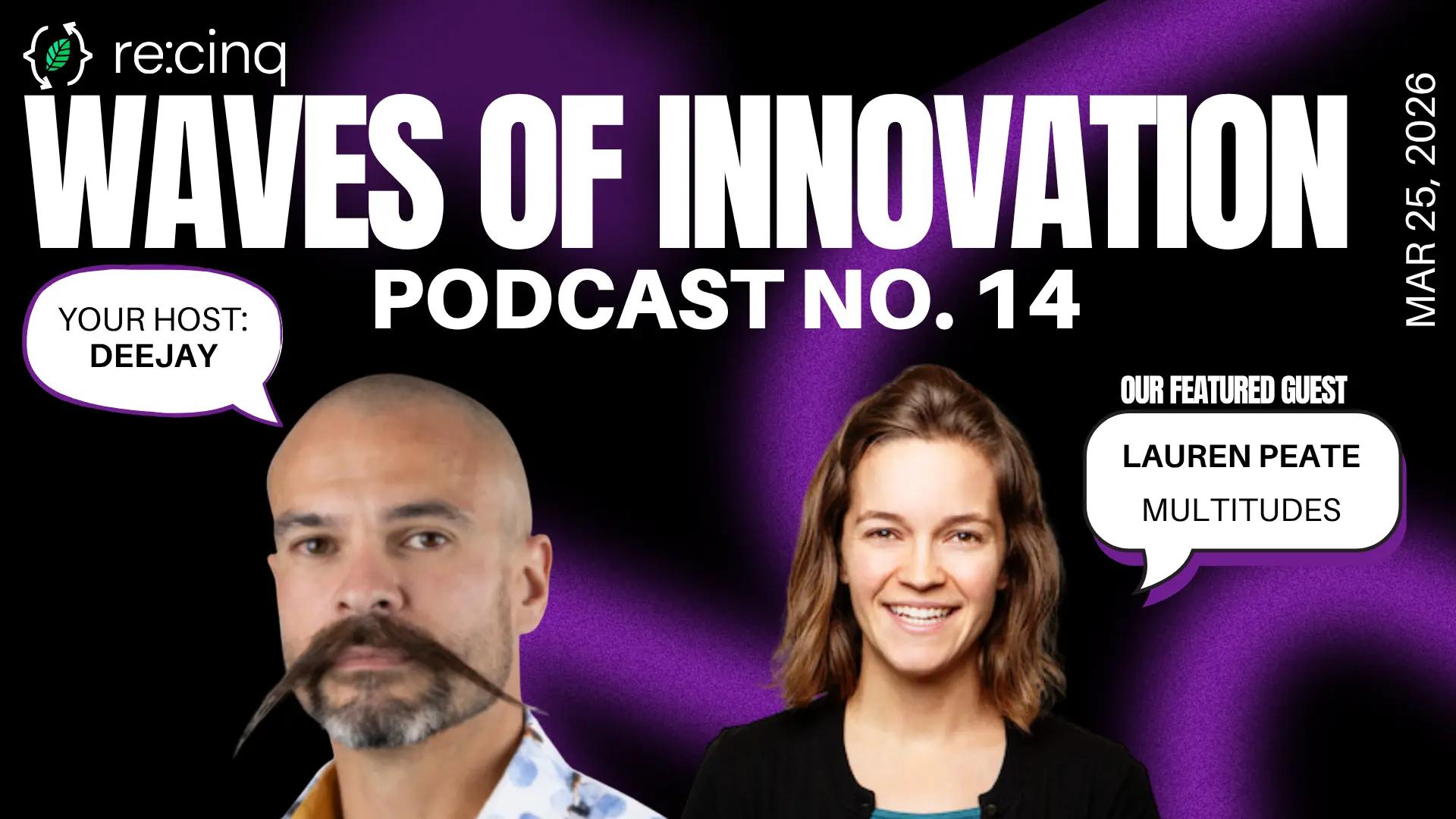
Jaime Jorge · COO and Co-founder, Codacy
Explore how engineering teams can maintain code quality and security in the era of agentic workflows by combining deterministic gates with AI capabilities.

Lauren Peate · CEO and Co-founder, Multitudes
Lauren Peate shares new data on how AI coding tools impact developer wellbeing revealing why out of hours commits are rising and how leaders should respond.

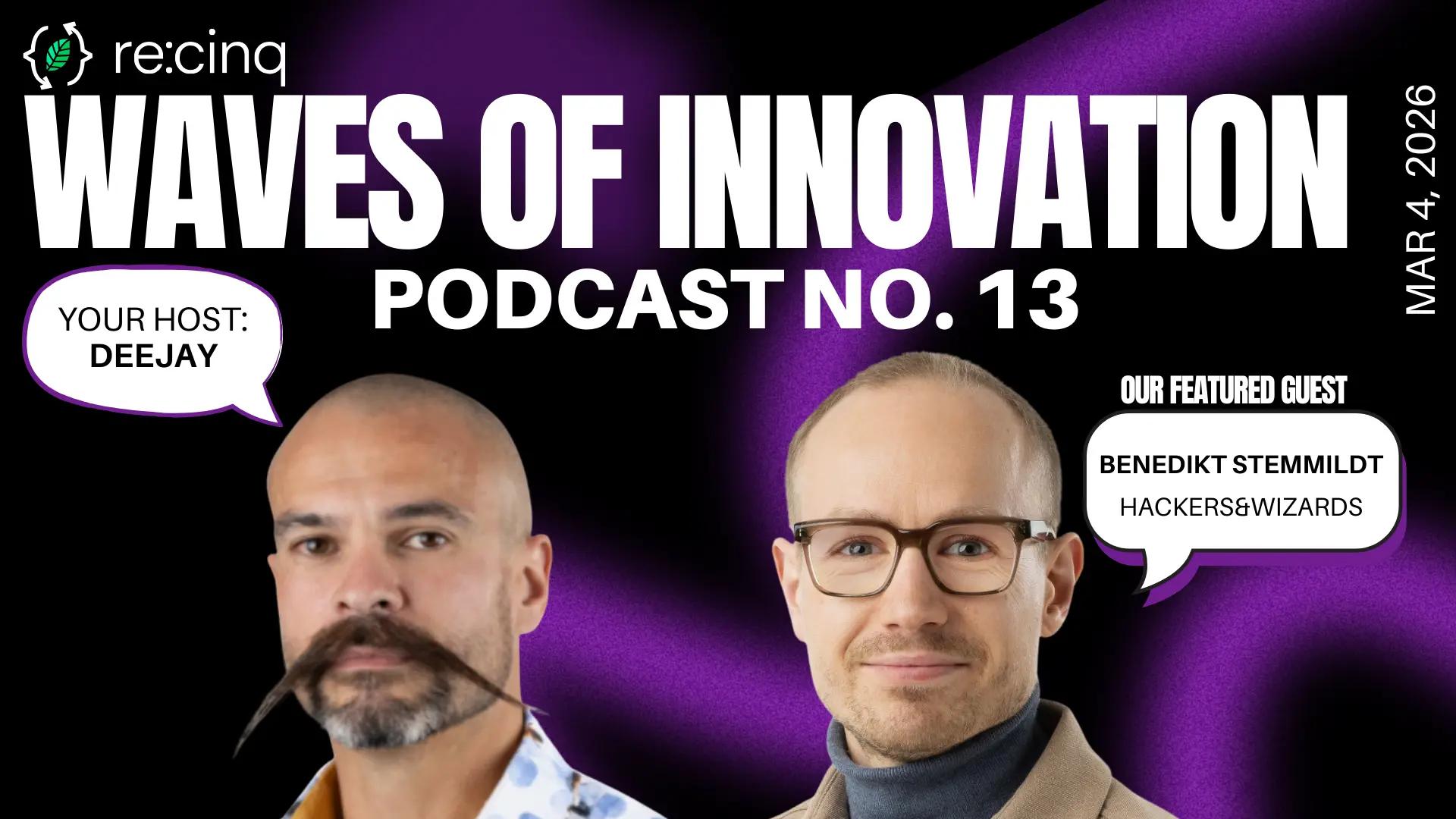
Benedikt Stemmildt · Co-Founder & Co-CEO, hackers&wizards
Daniel Jones and Benedict Stemmelt dive into the technical and organizational shifts of agentic software engineering. They move past the hype to discuss the transition from manual coding to building software factories that automate feature delivery. The conversation explores critical technical hurdles, including context window reasoning degradation and the necessity of reverse engineering model defaults to steer agents effectively. By referencing DORA 2025 metrics, they illustrate why AI adoption accelerates high-performing teams while exposing systemic bottlenecks in lower-maturity organizations.

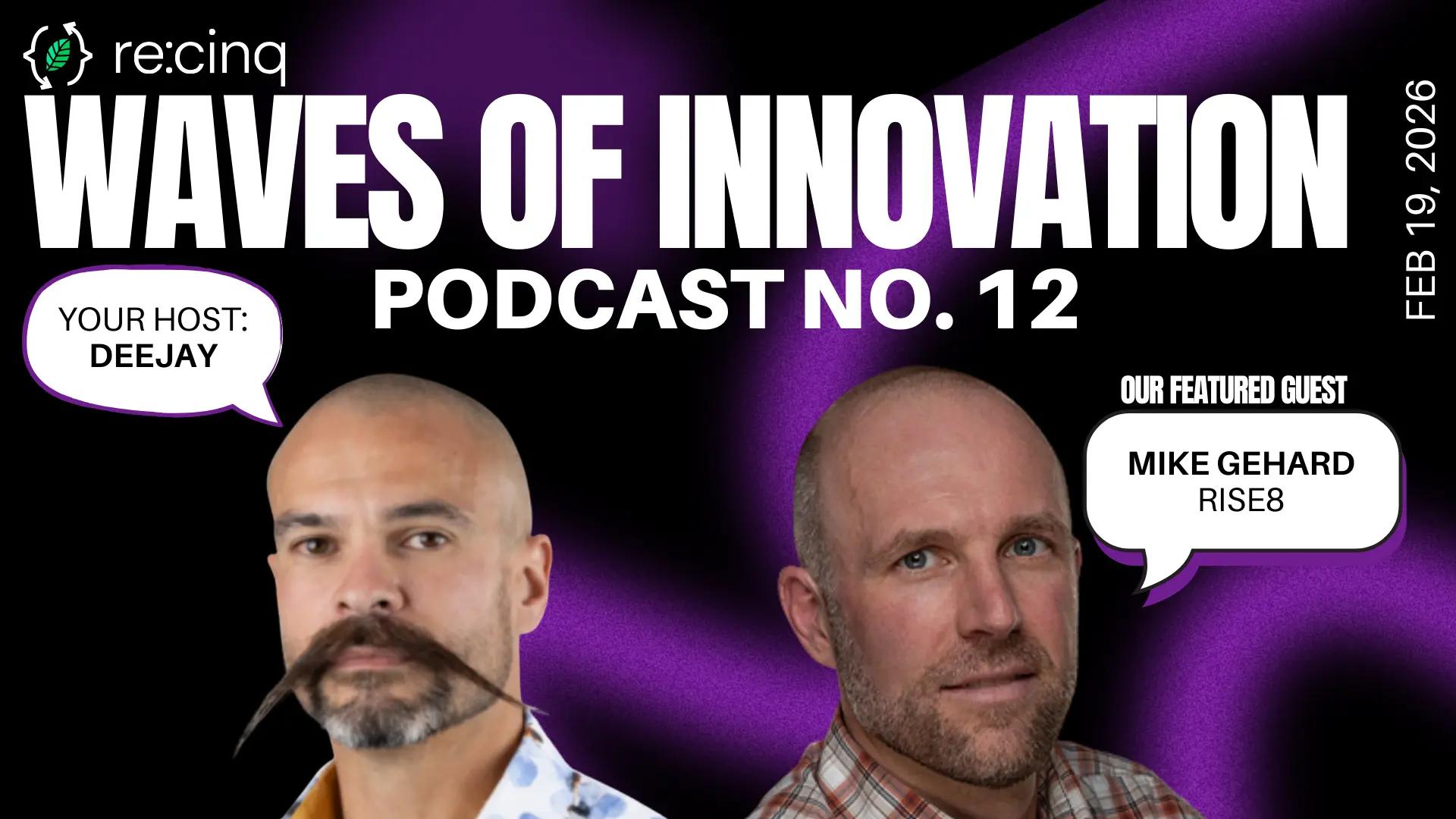
Mike Gehard · Software Engineering and AI Lead, Rise8
Daniel Jones and Mike Gehard explore the sudden rise of agentic software factories, where humans are prohibited from writing or reviewing code. Drawing from Mike’s background in chemical engineering, they discuss applying industrial feedback loops and the theory of constraints to software development. The conversation shifts from technical implementation to the economic and psychological impacts of AI-native engineering. They examine how architecture, testing, and developer roles must evolve when software becomes a commodity and the primary bottleneck moves from output to specification and outcomes.

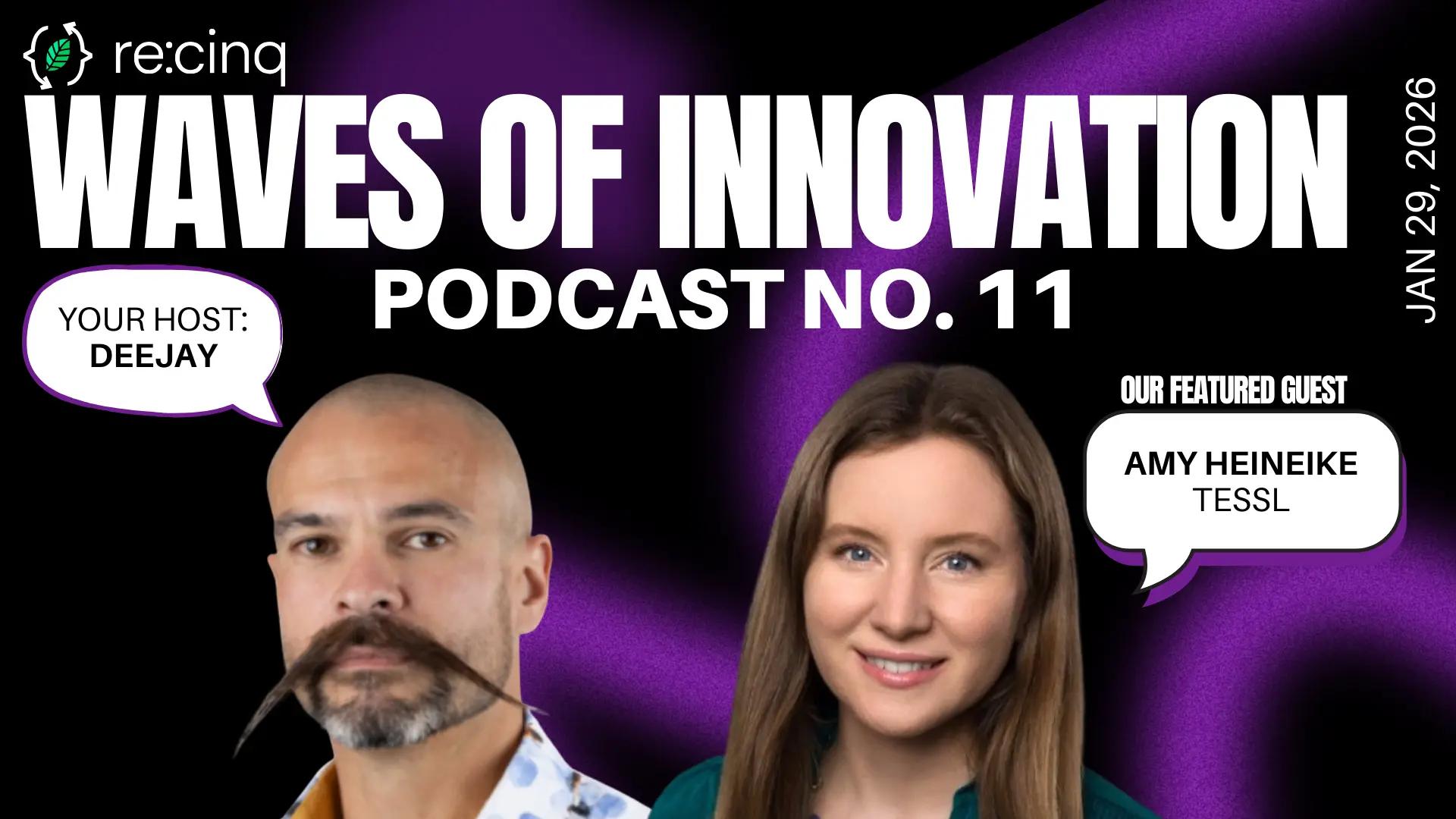
Amy Heineike · Founding AI Engineer, Tessl
In this episode, Deejay sits down with Amy Heineike, founding AI engineer at TESSL, to explore the structural shift toward AI-native development. They discuss the necessity of machine-optimized documentation registries to eliminate agent hallucinations and the cultural transition from deterministic logic to a biological science mindset. Amy details the mechanics of building evaluation harnesses, the pitfalls of contradictory steering, and how the role of the software engineer is evolving into a high-level architect of intentional outcomes and anti-fragile systems.

Rob Edwards · Developer Experience And Application Delivery Lead, Google
Daniel Jones joins Google’s Rob Edwards to explore the 2025 DORA report and Rob’s psychology thesis on AI. They discuss how Value Stream Management acts as a force multiplier for AI teams by identifying hidden bottlenecks. Rob details the psychological shift from Coder to Conductor, explaining how agentic workflows demand system-level thinking and metacognition. The conversation also tackles the risks of burnout, the loss of learning by osmosis for juniors, and how AI helps introverts validate ideas.

Dan Young · Co-Founder, When & How Studios
Host Daniel Jones reconnects with former business partner Dan Young to discuss the critical human element often missing in digital transformations. Reflecting on their journey from Cloud Native consulting to organizational psychology, they explore why technical mandates fail and how professional identity impacts the adoption of AI. The conversation covers practical strategies like Liberating Structures, invitation-based change, and the power of listening to navigate complex power dynamics and build effective, resilient teams.

Eliott Beaty · VP of Engineering, Fruition
In this episode, Deejay welcomes back Elliott Beatty to discuss the long-term reality of adopting agentic AI coding assistants. While development velocity has soared, the team now faces 'human' challenges like burnout and context-switching fatigue. Elliott explains why frontend teams benefit more than backend engineers and how accelerated coding exposed major bottlenecks in QA and UAT. They also explore the shift toward Model Context Protocol (MCP) servers, the necessity of feature flags, and why strong leadership is crucial for sustainable AI implementation.

Phil Winder · CEO, Winder.AI
Why can't you apply Agile sprints to an AI project? This episode dives into why ML development is 'fuzzy' and non-linear, unlike traditional software. We explore the 'nothing, nothing, something' problem that frustrates engineers and managers alike. Discover the real-world challenges of MLOps, from testing non-deterministic models to deployment. The conversation also breaks down Reinforcement Learning (RL), explaining how it learns from exploration, the high-stakes risks, and its role in training LLMs.

Mike Gehard · Director of R&D, Rise8
In this episode, Deejay talks with Mike Gehard, Director of R&D at Rise8, a custom software development firm on a mission to create 'a future where fewer bad things happen because of bad software.' Mike explains how they navigate the highly regulated 'nightmare difficulty' environment, from adhering to strict NIST standards to handling classified data. Discover their practical approach to security, including running Claude code in isolated containers, leveraging different secure endpoints like AWS GovCloud, and their ambitious goal to enable a single person to take a project from idea to production.

Nick Gushchin · Managing Partner & Co-Founder, Swiss AI Chatbot Factory
Nick Gushin's journey from 18 years in banking to teaching himself Python with ChatGPT. The develop fast, fail fast philosophy behind Swiss AI Chatbot Factory.

Qamir Hussain · Head of AI, Aryza
Real-world AI agents in financial debt collection. Learn about compliance challenges, data quality, and ethical standards in sensitive financial operations.

Hannah Foxwell · Advisor, Creator, Speaker, Writer, AI for the rest of us
Hannah Foxwell on why AI fluency is essential for all tech professionals. Drawing parallels between DevOps and AI, focusing on real business impact.

Eliott Beaty · VP of Engineering, Fruition
Elliot Beaty shares his playbook for 250% engineering velocity boost with AI. Real strategies, high-quality docs, agents fixing bugs, and future bottlenecks.

Pini Reznik · Chief Executive Officer, re:cinq
Pini Reznik introduces Waves of Innovation. What does it mean to lead through change? Why is AI Native different? A conversation on transformation context.