Powered by ×
×
×Bridging the Skills Gap: Insights from Agentic Coding Training
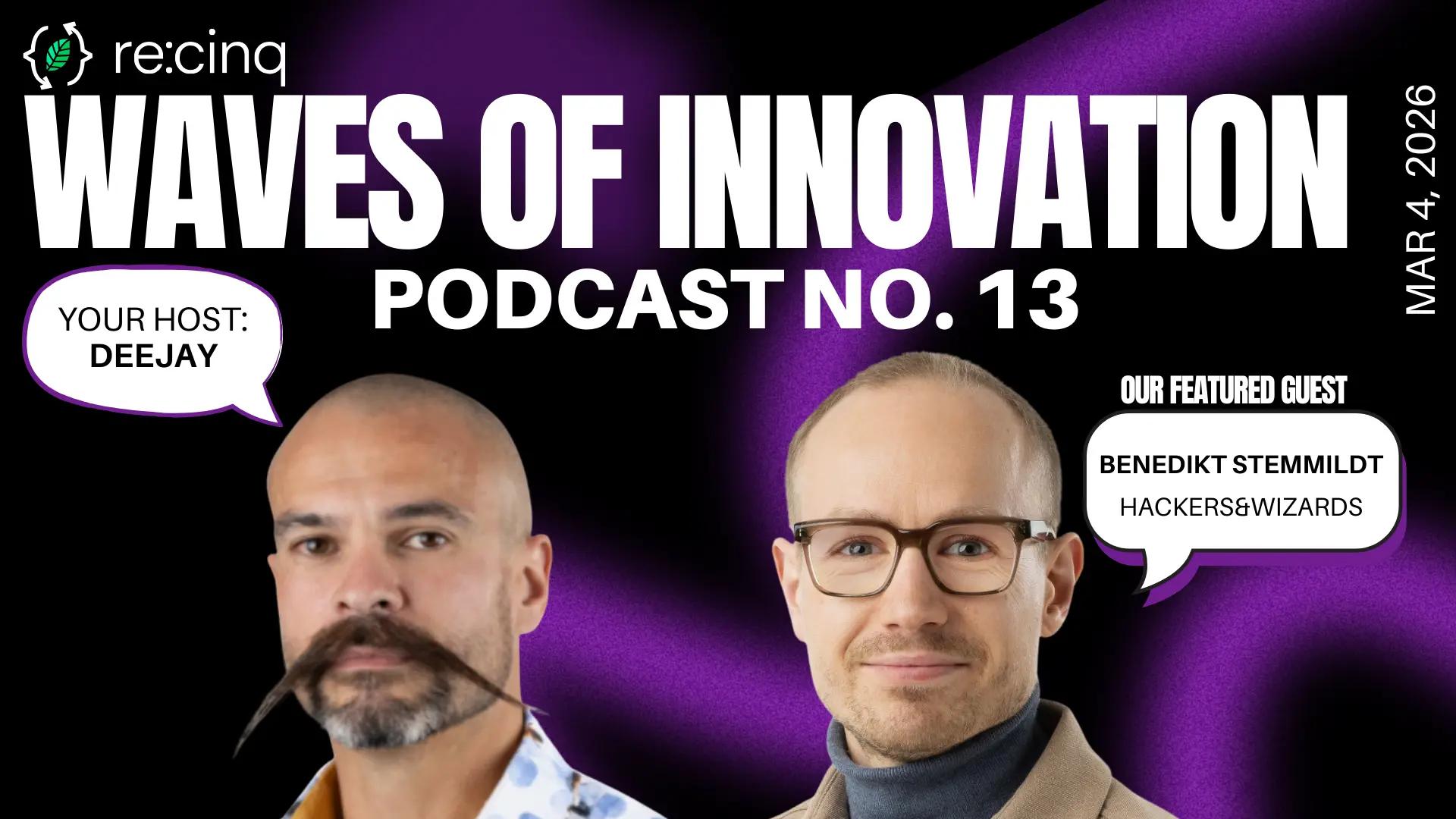
With Benedikt Stemmildt · Hosted by Deejay04 March 2026
Guest
BBenedikt Stemmildthackers&wizards, Co-Founder & Co-CEO
LinkedInHost DeejayHead of Product, re:cinq@danieljoneseb
DeejayHead of Product, re:cinqOn This Podcast
Daniel Jones and Benedict Stemmelt dive into the technical and organizational shifts of agentic software engineering. They move past the hype to discuss the transition from manual coding to building software factories that automate feature delivery. The conversation explores critical technical hurdles, including context window reasoning degradation and the necessity of reverse engineering model defaults to steer agents effectively. By referencing DORA 2025 metrics, they illustrate why AI adoption accelerates high-performing teams while exposing systemic bottlenecks in lower-maturity organizations.
- Senior leaders reclaim the joy of building by using agentic tools to bypass environmental setup friction.
- Effective training must prioritize the unhappy path to teach developers how and why models actually fail.
- Reasoning drops sharply after 30,000 tokens, requiring engineers to prioritize aggressive context curation for accuracy.
- Developers must reverse engineer model defaults to effectively steer agentic outputs toward project-specific architectural requirements.
- The rise of Software Factories shifts engineering focus from manual coding to designing autonomous production machines.
- AI acts as a multiplier, accelerating high-maturity teams while slowing down organizations with existing systemic bottlenecks.
- Aligning on coding standards is a prerequisite for successful department-wide adoption of agentic engineering toolsets.
agentic workflowssoftware factoriestheory of constraintsai nativeoutcomes over outputsdark factories
Reverse Engineering What the Model Already Knows
14:38In this conversation, we examine why so many experienced agentic coding users still lack the fundamentals of how an agent actually calls tools and builds its context, which caps their productivity even when they've been using these tools for months. Benedict explains that effective steering means reverse engineering a model's default behaviour, working out what it would do left alone, then deciding whether that default is good enough or needs correcting through project files, since instructions that simply restate what the model already knows only bloat the context for no benefit. We also discuss a Zurich research paper showing that agent-generated context often adds overhead without adding value, and Daniel connects this to research on effective context limits, where reasoning ability measurably drops after roughly 30,000 tokens regardless of a model's advertised context window. Both agree the common instinct to fix bad behaviour by adding yet more instructions to agents.md is usually counterproductive.
Why Off-the-Shelf Frameworks Often Underdeliver
22:11In this conversation, we examine the growing appetite for packaged agentic frameworks like BMAD and Spec Kit, and why Benedict has found teams that build their own workflow from first principles tend to outperform teams that adopt a framework wholesale. Daniel shares a concrete example: BMAD taking three hours and generating 312 spec files, while exhausting a colleague's usage window, to describe a simple agile retro board with upvoting and live updates. We also discuss how skipping the struggle of building your own approach means missing the calibration needed to judge whether a framework's output is normal or excessive, and why organisations that wait for agentic coding practice to settle before investing in training risk missing the foundational understanding needed to make sense of whatever comes next. Both frame these frameworks as useful inspiration to raid for ideas rather than defaults to adopt wholesale.
Engineers Building the Machine That Builds Features
41:24In this conversation, we examine the shift from writing features to designing the automated systems, or software factories, that produce them, and how this finally puts engineers in the seat Daniel has long argued engineering leaders should occupy: owning the machine that ships features, not just the features themselves. We also discuss why this shift immediately exposes organisational bottlenecks, since a monolithic system with five teams and hour-long deployments simply cannot support fast-moving agentic development, forcing architectural and organisational change alongside the technical adoption. Benedict notes a striking data point from Anthropic showing agent usage in software engineering jumping from around eight percent to over ninety percent of observed activity within six months, and both agree that because agent-built organisational structures can be reset and rerun through version control, teams can finally run true controlled experiments on their own delivery process in a way no human organisation ever could.