Powered by ×
×
×Software Factories: From Outputs to Business Outcomes
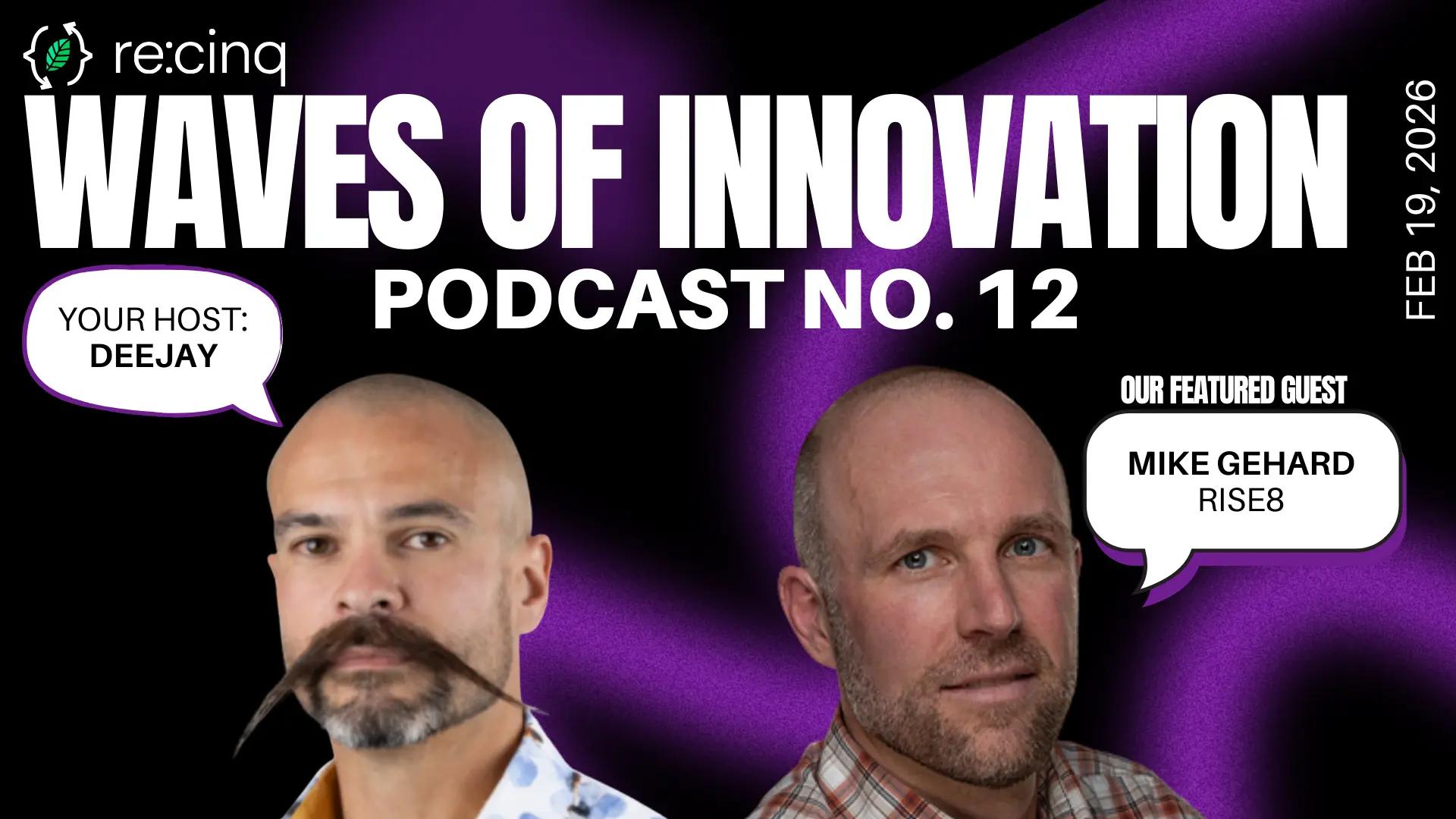
With Mike Gehard · Hosted by Deejay18 February 2026
Guest
MMike GehardRise8, Software Engineering and AI Lead
LinkedInHost DeejayHead of Product, re:cinq@danieljoneseb
DeejayHead of Product, re:cinqOn This Podcast
Daniel Jones and Mike Gehard explore the sudden rise of agentic software factories, where humans are prohibited from writing or reviewing code. Drawing from Mike’s background in chemical engineering, they discuss applying industrial feedback loops and the theory of constraints to software development. The conversation shifts from technical implementation to the economic and psychological impacts of AI-native engineering. They examine how architecture, testing, and developer roles must evolve when software becomes a commodity and the primary bottleneck moves from output to specification and outcomes.
- The Industrialization of Logic: Software is moving from artisanal process to closed-loop system modeled after chemical refining, requiring engineers to act as systems designers managing automated loops.
- The Theory of Relocated Constraints: With code generation solved, the primary hurdles are clarity of specification and rigor of validation—encoding human intent into high-fidelity prompts without ambiguity.
- Architecture as Context Management: Traditional architecture managed human mental limits; in the agentic era, it prevents LLMs from getting lost mid-file. Structure optimizes the agent's attention.
- The Economic Collapse of Software Value: As software becomes a commodity generated for token costs, proprietary codebases lose competitive advantage. Future value resides in proprietary data and human relationships.
agentic workflowssoftware factoriestheory of constraintsai nativeoutcomes over outputsdark factories
Inside the Rise of the Agentic Software Factory
02:00In this conversation, we examine the sudden emergence of software factories, automated pipelines where specs go in and working code comes out with no human writing or reviewing a single line, drawing on examples from Steve Yegge's Gastown project, OpenAI's million-line codebase, and StrongDM's public factory guidelines. Mike draws on his background in chemical engineering to compare these systems to closed-loop industrial processes like oil refining and the Toyota production system, arguing that software is now colliding with decades of manufacturing theory. We also discuss StrongDM's holdback-spec technique, where a separate agent verifies delivered code against a plain-language description the coding agent never saw, echoing the original intent of user stories as narrative descriptions rather than tickets. Both agree the excitement lies in watching genuinely novel first principles get re-derived in real time, rather than software teams simply repeating familiar practices like XP or test-driven development.
Borrowing the Andon Cord for Agentic Loops
17:47In this conversation, we examine why software factories lean so heavily on repeated passes and multi-agent review rather than trusting a single generation to be correct, since even capable models still make basic mistakes alongside genuinely impressive work. Mike connects this to the Toyota production system's Andon cord, where any worker can stop the line to fix a defect before restarting it, arguing that prompt engineering has always demanded the same discipline: fix the instruction upstream rather than blaming the machine. We also discuss the Ralph Wiggum loop popularised by Jeff Huntley, where a deterministic test suite gives an agent something concrete to converge toward, and how non-determinism becomes an asset once generation is cheap enough that you can simply run the loop again. Daniel notes that because everything an agent does lives in git, teams can now run true controlled experiments on their own delivery process, resetting state and replaying the same story with different phrasing in a way no human team ever could.
What Happens When Software Has No Value
38:05In this conversation, we examine how the economics of software are being upended once code generation becomes near-free, from StrongDM building disposable digital clones of Salesforce overnight to avoid a dependency, to Daniel's own tongue-in-cheek AI-native software licence built on the premise that any codebase can simply be rebuilt by a competitor's agent. Mike questions where the moat goes for developer-tooling companies once the source code itself stops being defensible, wondering aloud whether the prompts and scripts that assemble a factory are the new proprietary asset. We also discuss Daniel's prediction that value migrates to network effects, customer relationships and proprietary data, echoing the old software-is-eating-the-world narrative but inverted, and Mike cites a Dario Amodei podcast on how the value equation of an entire industry has shifted within months rather than the slower pace of past industrial revolutions.