

Upskill your engineering teams for the age of agentic coding
A hands-on programme led by senior engineers, helping your teams adopt agentic coding in real production environments

Trusted by engineering teams at






The adoption gap doesn't close on its own
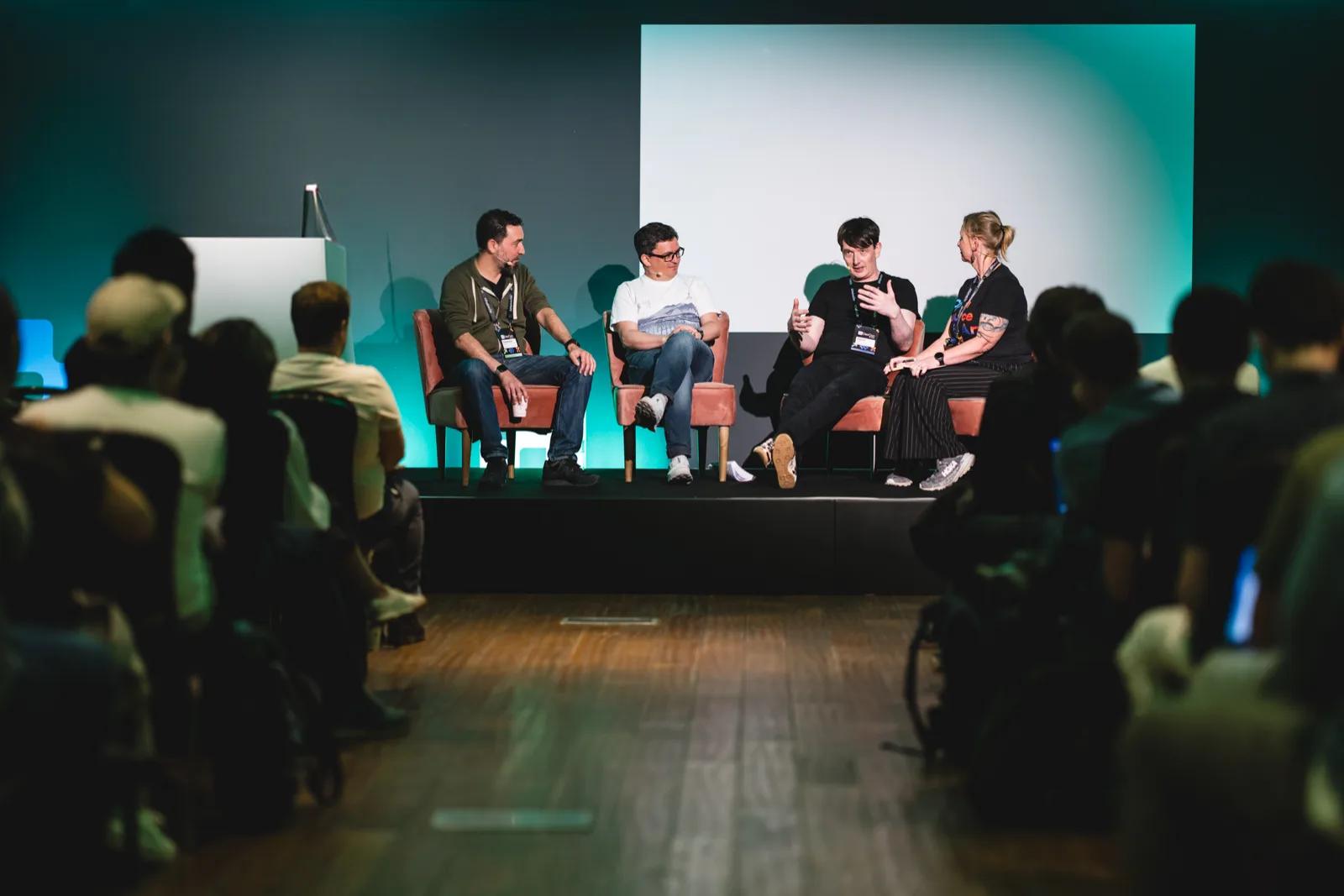

Teaching AI Isn't the Hard Part. Changing Engineering Habits Is


Learn by Building
Engineers work on real backlog items using their own codebase and tools. Every exercise is based on production work, allowing new techniques to be applied immediately.

Built Around How People Learn
The methodology draws on cognitive psychology and neuroscience. Spacing, retrieval, discussion, and repetition are built into every cohort to reinforce learning over time.

Led by Experienced Engineers
The programme is delivered by senior re:cinq engineers who use agentic coding in client projects. Sessions are based on practical engineering experience, examples, and exercises from real-world engagements.

Learn Together
Engineers complete exercises, discuss different approaches, and review outcomes as a group. These discussions help teams establish shared conventions, workflows, and engineering practices.

Continuous Reinforcement
Engineers are encouraged to apply new techniques between sessions and bring their experiences back to the cohort. A dedicated Slack channel provides ongoing access to the trainers for support and discussion.
Six Modules. Adapted To Your Team


Foundation & Context Engineering
Understand how modern AI systems work, use context, and fail, providing the foundation for everything that follows
Agentic Coding In The Editor
Learn how to work effectively with AI assistants inside the IDE. Optional for teams already beyond this stage
Terminal-Based Coding Agents
Learn to use terminal agents across an entire codebase for planning, implementation, testing, debugging, and autonomous development.
Model Context Protocol (MCP)
Connect coding agents to databases, browsers, Jira, and internal tools while understanding security, governance, and implementation considerations.
Spec-Driven Development
Use structured specifications to plan, review, and deliver larger engineering tasks with greater consistency and predictable outcomes.
Multi-Agent Workflows
Coordinate multiple coding agents working in parallel using the engineering patterns behind re:cinq's Software Factories.

Subscribe to Our Bi-Weekly AI Native Newsletter
Lessons from our client work, engineering deep-dives, and the AI Native research worth reading.
Bi-weekly. No spam, unsubscribe anytime.
Programme Outcomes
By the end of the programme, engineers don't simply use AI. They develop a repeatable engineering system that scales across the organisation
Before

After

Before
After
Results we've delivered



A roadmap to reduce cloud costs and carbon emissions
40%
Potential reduction in carbon emissions
20%
Projected cloud cost savings
100%
Zombie workloads identified
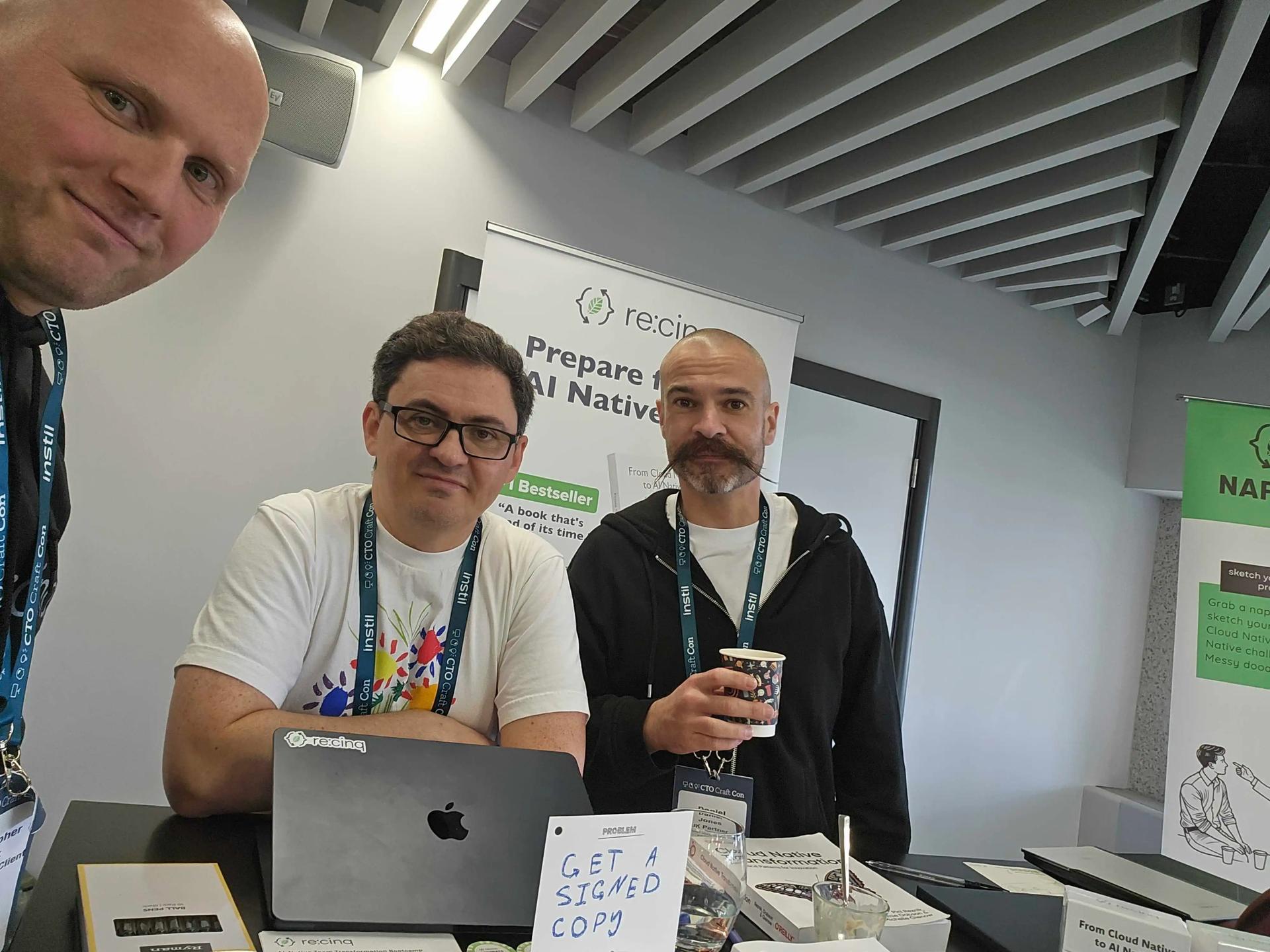

AI training turned 1.5 stagnant years into a 3-day launch
400%
Increase in agentic coding usage
50% → 0%
Developer AI-hesitancy, before and after
+1,030%
Top performer's PR throughput

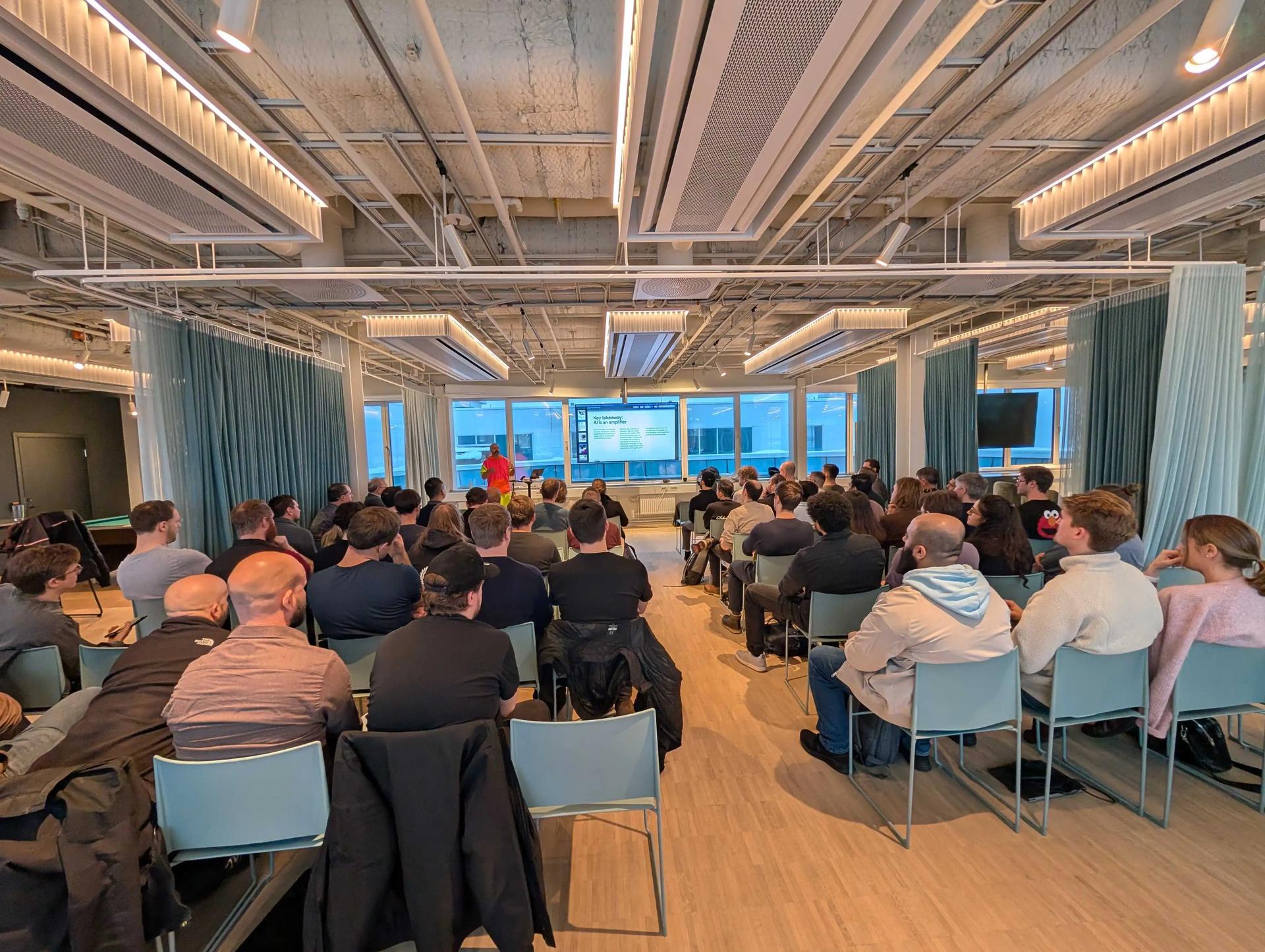

From fragmented systems to one AI Native data platform
3×
Fewer cloud platforms to manage
60%
Faster data pipeline processing
1 platform
Single source of truth for data & AI
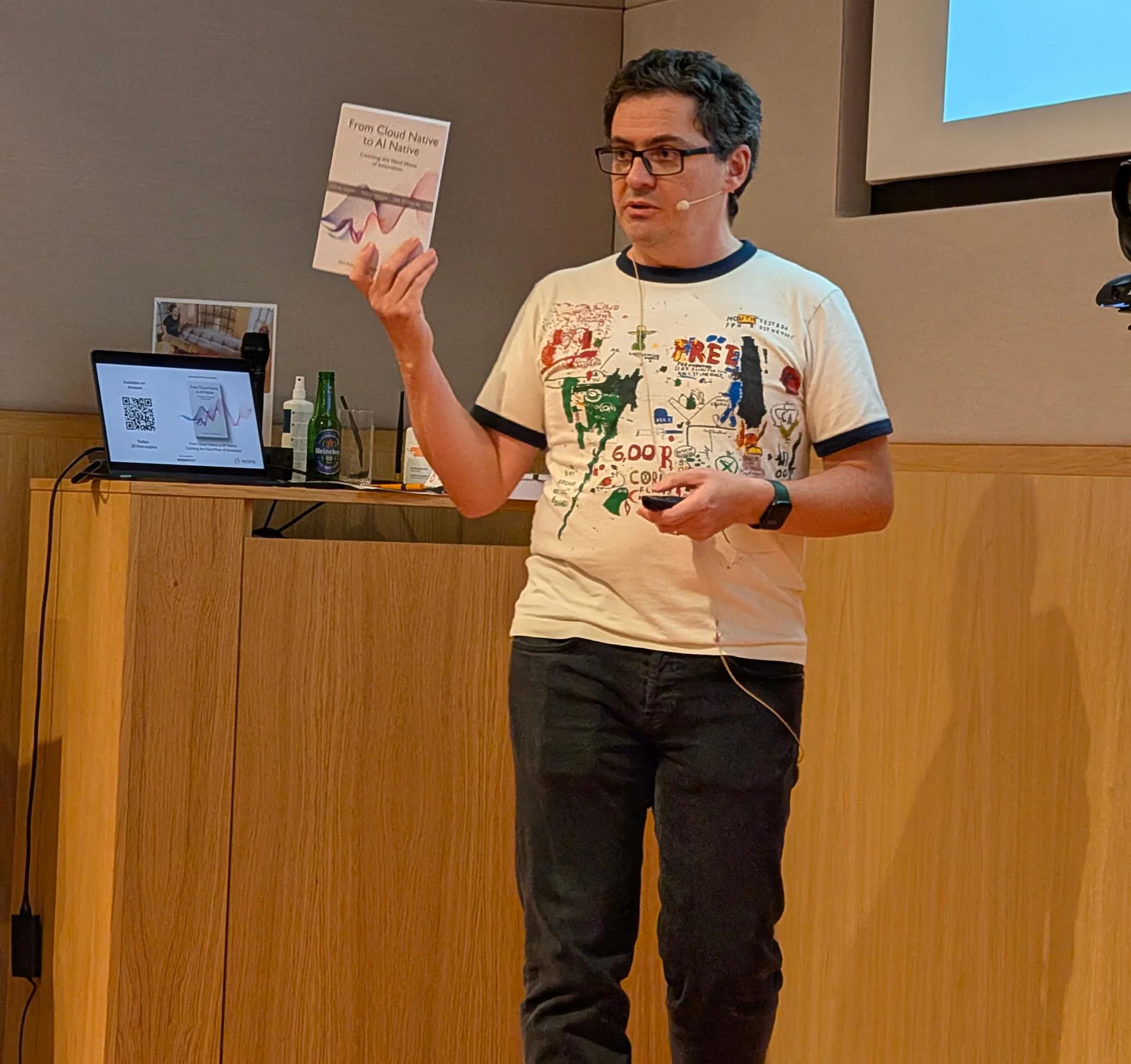
A roadmap to reduce cloud costs and carbon emissions
40%
Potential reduction in carbon emissions
20%
Projected cloud cost savings
100%
Zombie workloads identified
AI training turned 1.5 stagnant years into a 3-day launch
400%
Increase in agentic coding usage
50% → 0%
Developer AI-hesitancy, before and after
+1,030%
Top performer's PR throughput
Taught By Senior Engineers

Co-founder and CTO of re:cinq. Michael designed the engineer-training programme behind Adidas's company-wide cloud transformation, helped define the industry's official Kubernetes certifications, and co-authored From Cloud Native to AI Native. He uses agentic coding in client projects every week.
Michael Müller
CTO & Co-Founder



Senior engineer at re:cinq and the builder of Wave, our software-factory tooling. Michael co-delivered the Odevo training programme and has lectured in computer science at HdM and DHBW Stuttgart since 2021. He works hands-on with agentic coding across client projects.
Michael Czechowski
Senior Engineer
Backed by a team with experience leading engineering programmes at








What Teams Can Achieve
These outcomes have already been achieved through structured agentic coding adoption, showing what becomes possible when new ways of working are applied consistently across a team.
Answers To Common Questions
Each cohort includes up to 15 engineers. Smaller groups create more opportunities for discussion, collaboration, and individual feedback throughout the programme.