This is the second and final piece. Part 1 — EEEG: A Substance Test for Content in the AI Era — introduced the four-letter test we use to evaluate whether a piece has substance. Please read it first; this post builds on it.
Most useful ideas die in the heads of people who can't write them down or reach an audience. To publish something worth reading, three things have to come together: an idea, writing that can carry it, and an audience that will read it. A few people can do all three — and we know their names. Kelsey Hightower is one. The whole field of developer relations is, in part, an attempt to hire more of him.
Most people only do one or two. They have the idea but no time to write, or write well but lack an audience, or have an audience but no original thought worth sharing. The idea sits with them, gets shared in a few conversations, and disappears. Good ideas often lose to weaker ideas with better packaging.
What's starting to change#
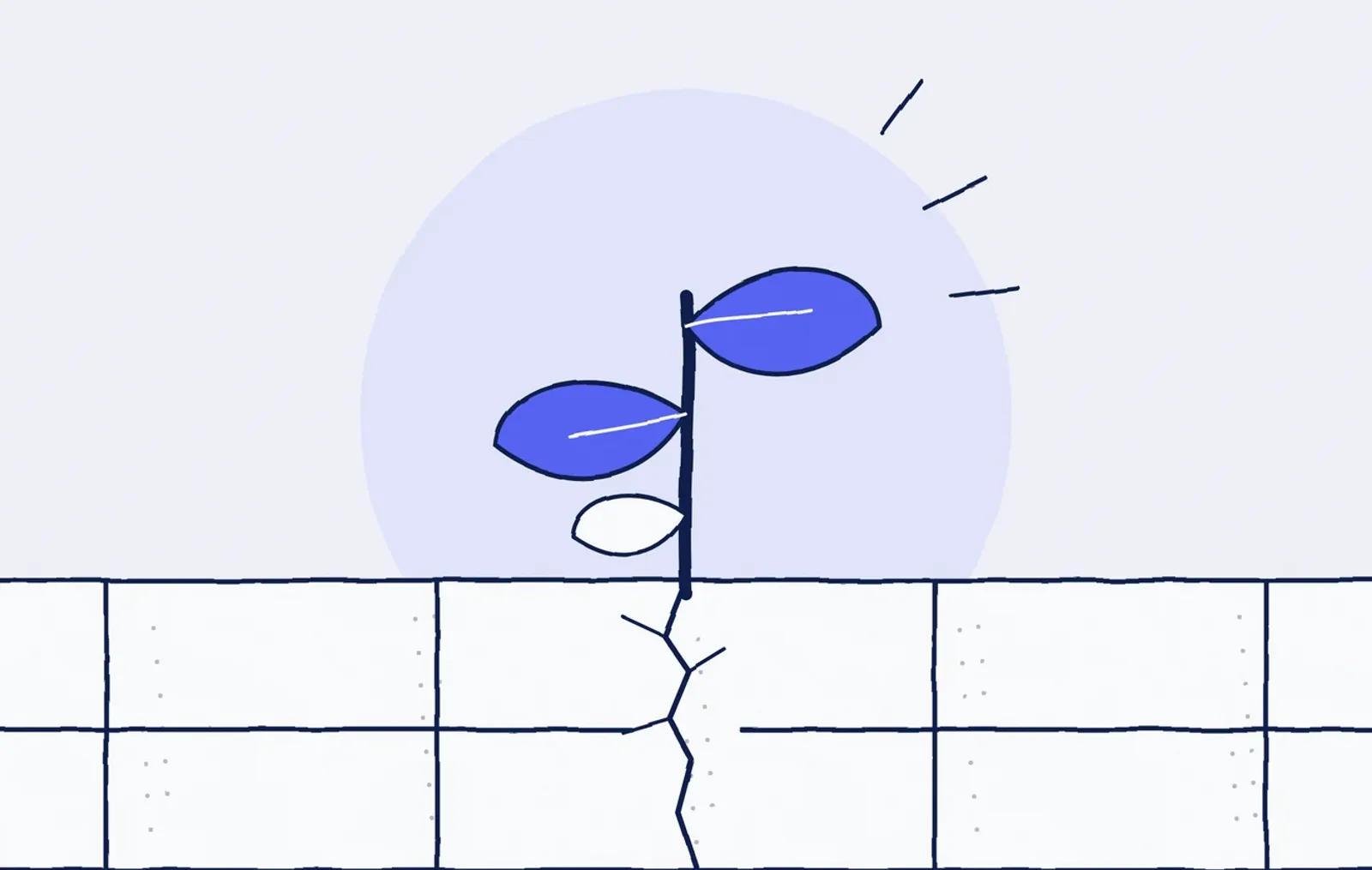
AI moves one of the three constraints. A practitioner with the idea but not the writing can now use AI to publish for the first time. The output isn't always polished, but it's good enough.
This doesn't fix the audience or time problems. But it opens a new category — people with something worth saying who couldn't say it before. The category is small compared to the volume of AI content right now, but there are many more of them than the people who could write well enough on their own.
Where ideas die#
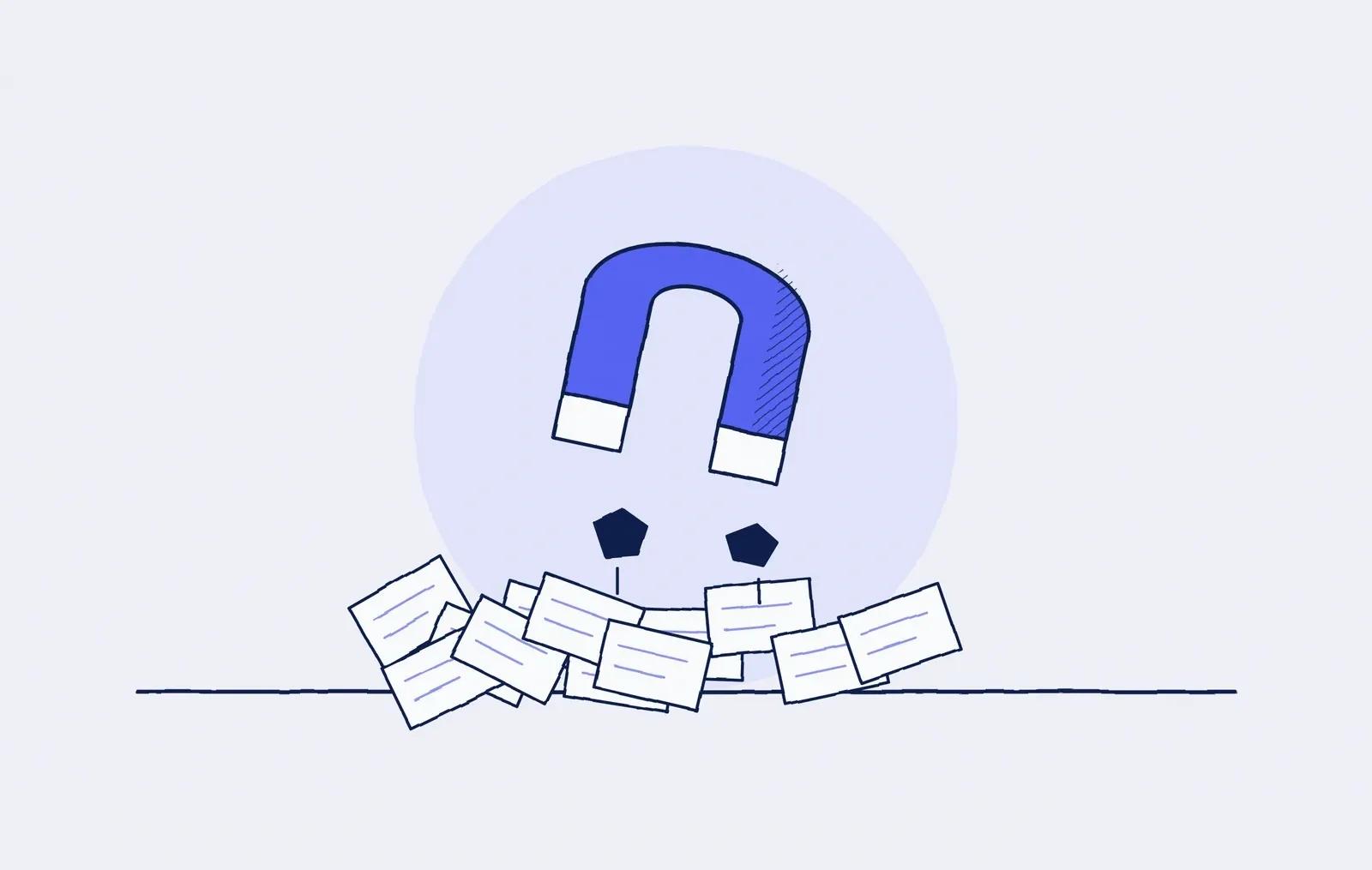
Ideas die in two places. The first is the heads of people who can't write them down. The second is documents that are written but never read — the wiki page nobody trusts because it covers a fraction of what the architect knows and was out of date the day it was published.
We see the second pattern regularly inside the engineering organisations we work with at re:cinq. An architect notices a pattern that would help other teams. They mention it in a standup, or write a wiki page, and go back to their job. Months later, other teams have reinvented the pattern badly. By the time the platform team formalises it, there's technical debt across the affected codebases for everyone to clean up.
We lose more ideas to the written-but-untrusted category than to the unwritten one. There are more of them.
Producer-shaped and consumer-shaped content#
The shift starting to happen is on the consumption side, not the production side.
Software has been moving for years from producer-shaped — apps built and shipped with a fixed interface — to consumer-shaped, where the user describes what they want and the software builds itself around that. The same shift is starting to apply to content.
Right now, when I have an idea, I write it once, in one format, for one audience. The reader takes it on those terms or skips it.
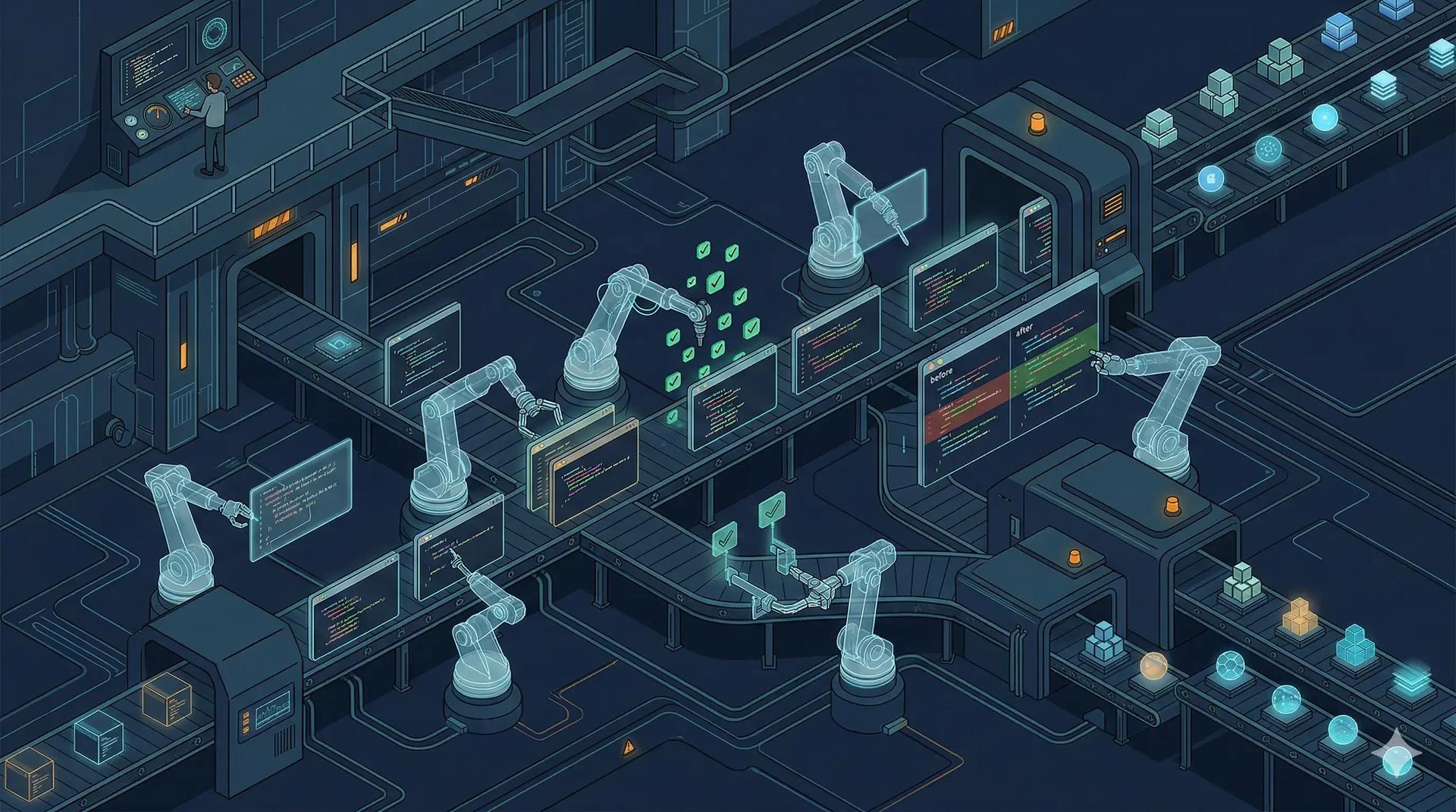
The next shape works differently. The idea gets captured once, structured: claim, evidence, counter-arguments, confidence level, open questions, attribution. Different versions get generated on demand — a blog post, a summary for an executive, a technical deep-dive, a slide for a meeting, a paragraph through an MCP-connected chat. The substance is captured once, and each version fits the consumer.
This is how applications separated data from interface. Content hasn't done that separation yet — it's still idea and interface fused into one piece, shaped to suit one kind of reader.
A future where the idea is captured separately puts the shape of what a reader sees under the reader's control. An AI reading assistant could pull from a library of grounded ideas and render each one in the format the reader prefers. The producer no longer has to be a great writer for the idea to land — they need to have grounded substance, and the layer above handles the rest.
Why platforms reward what they reward#
The current incentive structure comes from how platforms make money: clicks, impressions, sustained attention.
Each form of engagement pairs with a different content layer. Entertainment drives clicks — a clever hook beats a useful one. Emotion drives loyalty and repeat impressions — content that makes the reader feel something brings them back, while content that taught them something specific gets archived and forgotten. Education drives neither on its own, which is why educational content has limited reach in these systems.
TikTok is the cleanest example. The format optimises for short, fun, emotionally charged clips. Truth and original ideas aren't penalised by the platform, but they aren't rewarded either.
This is the underlying reason "good ideas need good marketing to survive". Platform economics are how the system makes money, and the system rewards what it rewards as a function of that.
Why "rank for usefulness" doesn't work alone#
The temptation is to imagine a platform that ranks content by quality. I've sketched versions of this and don't think it works on its own.
The problem is the same one that kept electric vehicles from displacing combustion cars on idealism alone. People don't switch consumption patterns because someone told them the new option is good for them; they switch when the new option is better and cheaper on the dimensions they already care about. Electric cars started winning when they outperformed combustion on acceleration, running cost, and convenience.
The same applies to content. We can't tell readers to consume substantive content because it's better for them. They'll keep consuming what appeals to them naturally — mostly entertaining and emotional content. Any system that asks them to go against that pattern will lose to a system that doesn't.
The path forward is to fit grounded, educational content into the consumer's existing patterns of attention. That's what the consumer-shaped rendering layer is for — keep the substance grounded, shape the packaging around what the reader already enjoys consuming.
What to do this week#
A few things are actionable now.
When you have a useful observation, capture it as a structured note before writing it up. Five fields: claim, evidence, counter-arguments, confidence, open questions.
When you publish, link the hook form to a knowledge form behind it — a footnote, appendix, or sourced second post. The hook doesn't have to carry the whole argument as long as a serious reader can get to the version that does.
When you read, ask which form you're looking at. A hook with nothing behind it is a slogan; a knowledge form with no hook on top doesn't reach the reader who would benefit most.
When you encounter a good idea whose originator can't get it out, lend them your distribution. Co-author with them, host the post, or run the talk in their place. The marginal cost is small, and the cost of letting good ideas stay invisible is what the publishing economy has been paying as long as it's existed.
Good ideas should not need good marketing to survive. Right now, they do. AI changes that — partly, unevenly, with new noise. The next decade of writing will be about which of these changes hold up.
End of series.
If any of this maps to where your engineering organisation is right now, From Cloud Native to AI Native is the long-form argument. The book is now free — download it here.